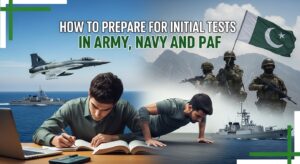
Preparing for the Pakistan Army, Air Force, and Navy physical and medical tests is a journey that demands discipline, strategy, and a clear understanding of each step. The process begins with verifying your eligibility, which includes meeting strict age, height, weight, and vision standards. Candidates must ensure all documentation is accurate and up to date, as even minor discrepancies can lead to disqualification.
Early preparation is crucial, as it allows you to address any potential issues with your health or fitness before the official assessments. Understanding the specific requirements for each branch, such as the minimum run times, push-up and sit-up counts, and unique tests like ditch crossing for the Army, sets the foundation for a focused training plan.
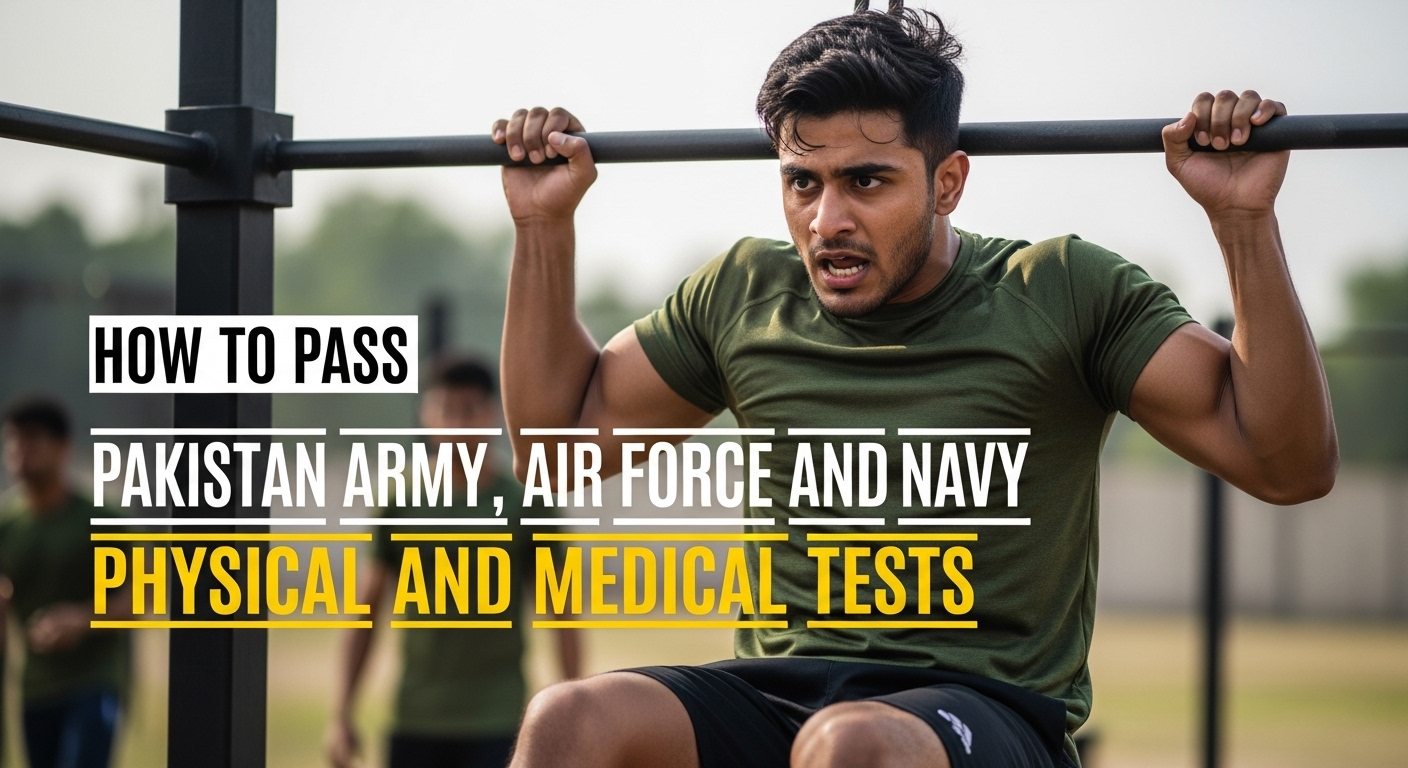
Physical training is the backbone of success in these tests. A well-structured regimen should combine cardiovascular workouts, strength training, and flexibility exercises. Running several times a week, gradually increasing speed and distance, builds the stamina needed for timed runs. Daily push-ups, sit-ups, and chin-ups develop the upper body and core strength required to meet or exceed the minimum standards.
Stretching and agility drills not only improve performance but also help prevent injuries. Nutrition and rest are equally important; a balanced diet and adequate sleep ensure your body recovers and adapts to the increasing demands of training. Consistency in these habits is what separates successful candidates from those who struggle on test day.
The medical examination is a comprehensive evaluation of your overall health, covering everything from vision and hearing to blood tests and chest X-rays. Candidates must be free from chronic diseases, physical deformities, and conditions like color blindness or flat feet. It is wise to consult a doctor for a pre-checkup to identify and address any minor issues before the official exam.
On test day, arriving early, wearing appropriate attire, and staying calm can make a significant difference. After the tests, whether you pass or need to reapply, maintaining your fitness and health is essential for future attempts. By following a disciplined approach, staying informed about each requirement, and proactively troubleshooting common issues, you can maximize your chances of success in joining Pakistan’s armed forces.
Step 1: Understand the Eligibility Criteria and Initial Requirements
Before you begin any preparation, it is crucial to fully understand the eligibility criteria and requirements for each branch. This ensures you do not waste time preparing if you do not meet the basic standards.
Age Limits:
- Pakistan Army: Usually 16 to 25 years for soldiers and officers; varies slightly by course.
- Pakistan Air Force: Typically 16 to 22 years for initial entry.
- Pakistan Navy: Usually 17 to 23 years for sailors and officers.
Height and Weight:
- Pakistan Army: Minimum height 5’4” for males; 5’0” for females. Weight must be proportional to height (BMI considered).
- Pakistan Navy: Minimum height 5’6” for males.
- Pakistan Air Force: Minimum height 5’4” for males.
Vision:
- Minimum 6/6 (20/20) vision, with or without minor correction (glasses or contact lenses). Color blindness is disqualifying.
- No major eye diseases or refractive errors beyond prescribed limits.
General Health:
- No chronic diseases such as asthma, diabetes, or heart conditions.
- No Hepatitis B or C.
- No physical deformities such as flat feet, knock knees, or spinal issues.
- No history of major surgeries or serious injuries that impair physical fitness.
Citizenship and Documentation:
- Must be a citizen of Pakistan or hold domicile of Azad Kashmir or Gilgit-Baltistan.
- Valid CNIC or B-Form for minors.
- Educational certificates as required by the specific branch or course.
Step 2: Detailed Physical Fitness Test Preparation
Physical fitness tests differ slightly between the Army, Air Force, and Navy but share core elements of endurance, strength, and agility.
Pakistan Army Physical Test
- 6 km Run: Complete in 8 minutes or less. This tests cardiovascular endurance.
- Push-ups: Minimum 15 in 2 minutes to measure upper body strength.
- Sit-ups: Minimum 20 in 2 minutes to test core strength.
- Chin-ups: Minimum 3 in 2 minutes for upper body pulling strength.
- Ditch Crossing: Cross a 7’4” by 7’4” ditch with 4 feet depth, testing agility and confidence.
Pakistan Navy Physical Test
- Similar endurance and strength tests with emphasis on upper body strength.
- Minimum height 5’6” for males.
- Running, push-ups, sit-ups, and chin-ups with slightly higher benchmarks.
Pakistan Air Force Physical Test
- 5-mile (approx. 2.4 km) Run: Timed according to age and gender.
- Push-ups, sit-ups, and chin-ups with specific minimum counts.
- No ditch crossing, but agility and endurance are key.
Step 3: Physical Training Regimen – How to Prepare Effectively
Start Training Early: Begin at least 3-4 months before your test date.
Cardiovascular Training:
- Run or jog 3-5 times per week.
- Gradually increase distance and speed.
- Include interval training (alternating fast and slow pace) to build stamina.
Strength Training:
- Push-ups and chin-ups daily, starting with sets you can manage and increasing reps weekly.
- Sit-ups and core exercises to strengthen abdominal muscles.
- Use bodyweight exercises; avoid heavy weights initially to prevent injury.
Flexibility and Agility:
- Daily stretching routines focusing on hamstrings, calves, back, and shoulders.
- Practice agility drills such as ladder drills or shuttle runs.
- For Army candidates, practice ditch crossing and obstacle course techniques.
Rest and Recovery:
- Sleep 7-8 hours nightly to allow muscle recovery.
- Take rest days to avoid overtraining injuries.
Nutrition:
- Balanced diet with adequate proteins (eggs, chicken, legumes), carbohydrates (rice, bread, fruits), and healthy fats.
- Avoid junk food, excessive caffeine, smoking, and alcohol.
- Stay hydrated; drink at least 2-3 liters of water daily.
Step 4: Medical Test Preparation – What to Expect and How to Get Ready
The medical test is comprehensive and designed to ensure you are physically fit for military service.
Initial Medical Screening:
- Height and weight measurement to confirm eligibility.
- Vision test including color blindness check.
- Hearing test.
- Chest measurement and expansion check.
- General physical examination for deformities, scars, or abnormalities.
Detailed Medical Examination:
- Blood Tests: Complete blood count, blood sugar, hepatitis screening.
- Urine Tests: For infections or abnormalities.
- Chest X-Ray: To check lungs and heart.
- ECG (Electrocardiogram): To assess heart rhythm and function.
- ENT (Ear, Nose, Throat) Examination: To rule out infections or hearing issues.
- Eye Examination: Detailed check for diseases, refractive errors, and color blindness.
- Surgical and Orthopedic Examination: To detect any hidden deformities or past injuries.
Tips for Medical Test Preparation:
- Consult a doctor beforehand if you have minor health issues.
- Avoid strenuous exercise 24 hours before the medical test.
- Stay hydrated but avoid excessive caffeine or stimulants.
- Avoid smoking and alcohol at least one week prior.
- Get a good night’s sleep before the test day.
Step 5: Mental and Psychological Fitness
While not always formally tested at the physical-medical stage, mental fitness is crucial for success in later stages like ISSB.
- Practice stress management techniques such as deep breathing and meditation.
- Improve communication skills and confidence through mock interviews.
- Engage in problem-solving and teamwork activities to build mental resilience.
Step 6: The Day of the Test – What to Do and What to Expect
- Rest Well: Sleep at least 7-8 hours the night before.
- Eat Light: Have a nutritious but light meal 2-3 hours before the test.
- Arrive Early: Reach the test center well ahead of time to avoid stress.
- Dress Appropriately: Wear comfortable sportswear and running shoes.
- Follow Instructions Carefully: Listen attentively to test supervisors.
- Stay Calm: Keep a positive mindset and focus on each task.
- Hydrate: Drink water but avoid overhydration.
Step 7: After the Test – Next Steps and Retesting
- If you pass, you will be called for further interviews, ISSB tests, or training.
- If you fail, identify weak areas, rest, and prepare for retesting after the waiting period.
- Maintain fitness and health during the waiting period.
Common Issues and How to Troubleshoot Them Effectively
| Category / Issue | Troubleshooting |
|---|---|
| Not meeting minimum height or weight requirements | Work on healthy weight gain or loss; consult a nutritionist. |
| Minor vision problems or color blindness | Consult an ophthalmologist; minor corrections may be allowed but color blindness is disqualifying. |
| Age limits exceeded | Verify official documents carefully; some courses have relaxed age limits. |
| Missing or incorrect documentation | Prepare all certificates and CNIC well in advance; get attested copies. |
| Inability to complete the run within time | Start training early and progressively increase intensity. Use interval running to improve speed and endurance. |
| Low number of push-ups, sit-ups, or chin-ups | Practice push-ups and chin-ups daily; use assisted methods if needed. |
| Fear or difficulty with ditch crossing (Army) | Practice jumping and landing safely; build leg strength. |
| Early fatigue or cramps | Stay hydrated and warm up properly before tests. Use proper breathing techniques during exercises to avoid cramps. |
| Minor vision defects or color blindness | Get a pre-medical checkup to identify issues early. Consult professionals; color blindness is disqualifying. |
| Hearing deficiencies | Treat minor infections or conditions before the test; seek medical evaluation if needed. |
| Chest abnormalities or respiratory issues | Maintain a healthy lifestyle; get treatment before testing. |
| Blood pressure or heart irregularities | Control through lifestyle changes and medical guidance. |
| Past injuries or scars causing disqualification | Consult medical professionals for possible remedies. |
| Anxiety or nervousness during tests and interviews | Practice mock interviews and group discussions; learn stress management techniques. |
| Poor communication skills | Engage in confidence-building activities and public speaking. |
| Lack of confidence | Prepare thoroughly for ISSB and other psychological tests; build self-esteem through practice. |
| Incorrect or incomplete online application | Carefully read instructions on official websites; double-check before submission. |
| Missing documents or attestation | Keep photocopies and originals ready. |
| Late submission or missing deadlines | Apply early to avoid last-minute issues. |
Summary
Passing the Pakistan Army, Air Force, and Navy physical and medical tests requires disciplined preparation, attention to detail, and mental resilience. Understanding the eligibility criteria, following a structured physical training program, preparing thoroughly for medical examinations, and managing psychological readiness are key. Anticipate common challenges and proactively troubleshoot them to maximize your chances of success.